Ensemble C4 – “A Love for Telemann”: A Lively Celebration of Baroque Music
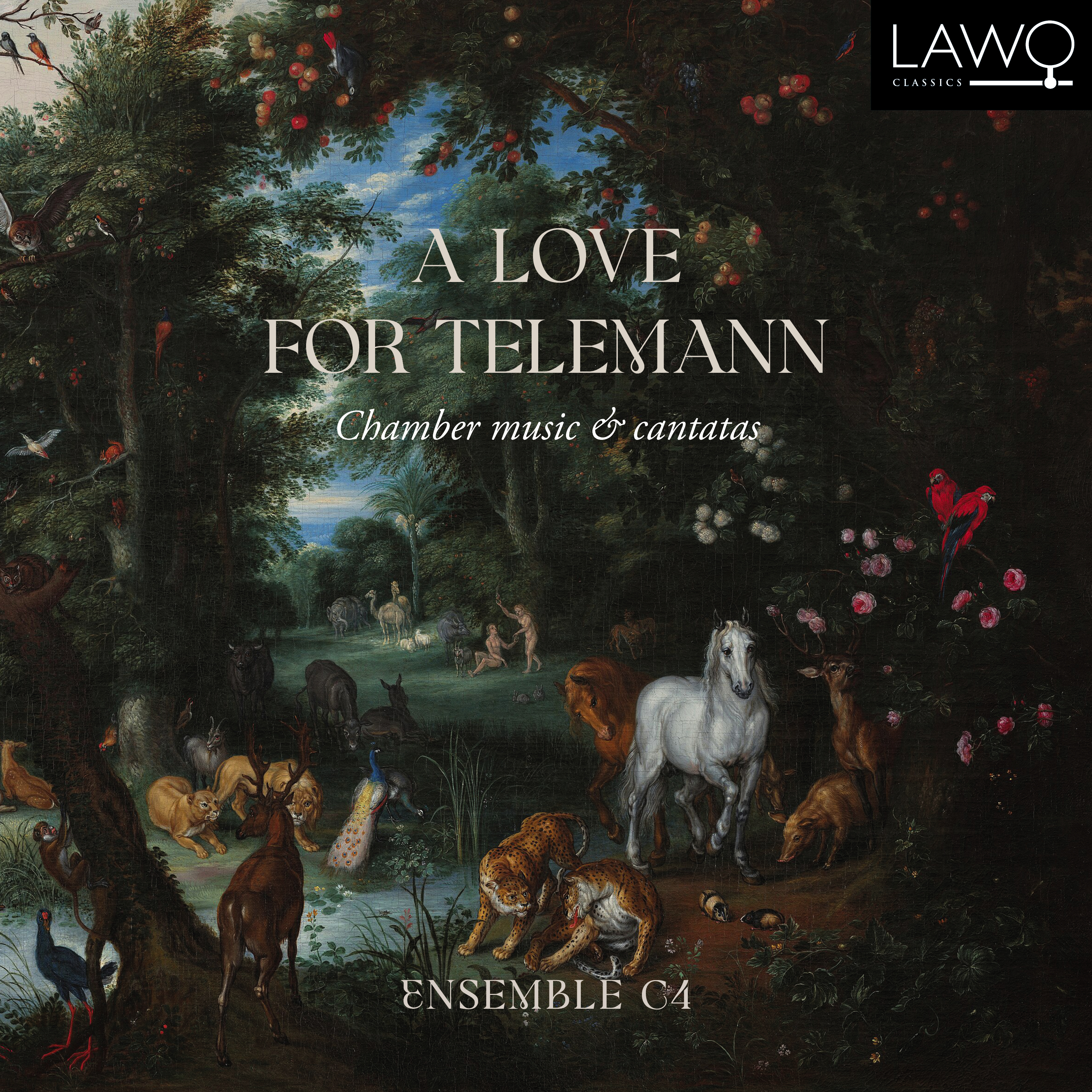
When it comes to classical music, I kinda get why most people feel like it’s a chore to them. But the thing is, you don’t need to feel that way when the right one is being played. In fact it can make you forget all those assertions you have about classical or chamber music and enjoy every string notes you hear. To most people Baroque music is like a room full of powdered wigs, heavy velvet curtains, and someone staring sternly at a sheet of paper. But Ensemble C4 don’t do any of those boring pieces, they bring together lively instrumental performances and expressive vocal pieces by one of the Baroque eras most impressive composers to your ears on the album “A Love for Telemann“.
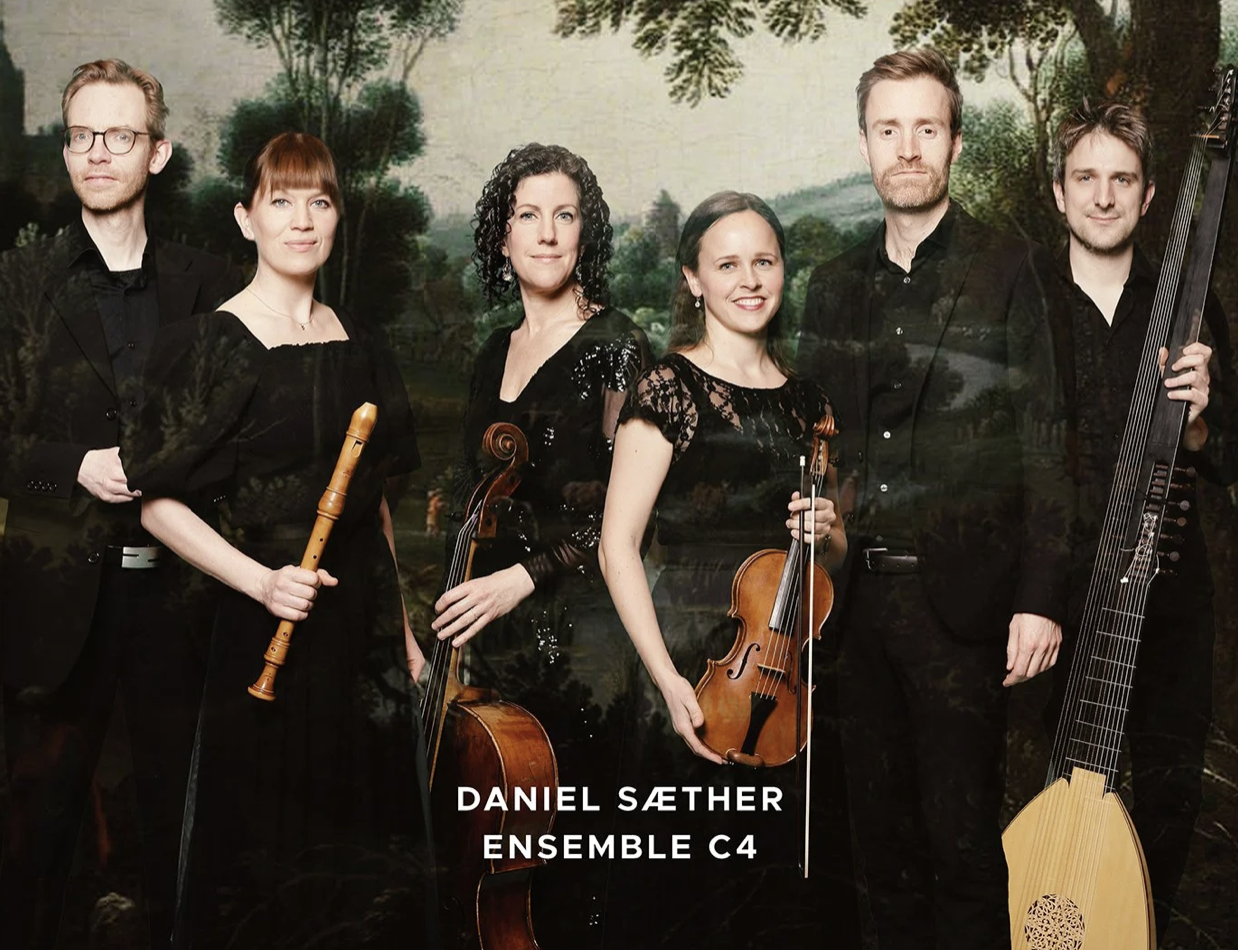
Now this Norwegian group celebrates Georg Philipp Telemann whose music is known to be full of character, variety and creativity. So you can already know there’s no boring lectures here and in fact Ensemble C4 brings a lot of energy and purpose to this pieces. This is an album released on LAWO Classics in November 2026 under catalogue number LWC1441, and it’s their second disc on the label after their 2024 Handel recording, and it feels kinda wide and awake from start to finish. It’s all came together in January 2025 at Grorud Church in Oslo when they took sessions there, and one must have thought then probably the whole big place would have ate them up, but nope, it rather sync with them and I love how the recording captures real wood, plucked strings, breath, and voice in crisp detail without sounding clinical or cold. They have created something that respects the history of the music and doesn’t hinder the personalities of the players and I like it.
So then what’s Soo special about these pieces? Well that’s all down to the varieties and how colors swap in and out across the program. Three chamber works sits across cantatas and the missa brevis, allowing listeners to enjoy and appreciate the different ways of Telemann’s writing. With Caroline Eidsten Dahl playing recorder alongside Ingrid Okland and Maria Ines Zanovello on baroque violin. Down below and in the middle, Henrikke G. Rynning on baroque cello, Andre Lislevand on viola da gamba, Jadran Duncumb on lute and baroque guitar, and Christian Kjos on harpsichord and organ give the lines real spring and weight. Daniel Saether sings countertenor with clear diction and a direct, conversational feel rather than something over the counter. There’s something that the group does and it’s lovely, the way they treat Telemann like a live partner right there with them is incredible.
The switches between his quick shifts of mood, keep rhythms nimble, and let small details pop out naturally is really intriguing and fascinating. Some may wonder, so why this release? Well Telemann wrote a lot of music during his time, and yet he never got stuck in the same way, it’s like he always evolved and had a gift for plainspoken charm mixed with real emotional turns. So Ensemble C4 said why can’t we create something that feels fresh and show the world that tradition is only alive when people bring their own breath and spirit to it. Whether a piece is a brisk trio sonata or a sacred setting from Harmonischer Gottesdienst or the Missa brevis, the music speaks directly to human feeling, wonder, and everyday life. It’s a 26 piece album, but let’s take a stroll through some of them and have a feel of what’s it like to not be in a boring chamber music room.
Welcoming listeners with a feeling of easiness and gentle taps is the track “Trio Sonata in C Minor, TWV 42/g9: I. Soave ma non adagio“. I love how this one moves, the way the recorder and violin trade lines like two friends finishing each other’s thoughts while lute and gamba hold a warm cushion underneath is really beautiful. You can hear how the lute chips in here and there then carry parts of the conversation whilst it allows the violin to bring in its responses. It’s really nice and gets you glued and ready to go. Then comes “Trio Sonata in C Minor, TWV 42/g9: II. Vivace” injecting some pace and tempo into the album. Just listen to those crisp bowing and agile fingerwork giving this movement a lively bounce, with baroque guitar adding extra snap to the rhythm. It’s a very short piece that stays with you even after it’s done, it keeps you alive and fills you with energy whilst preparing you for the next piece.
Now this piece “Trio Sonata in C Minor, TWV 42/g9: IV. Allegro” also brings in some spirited performances to the album, closing the C minor sonata on a brisk, high energy note and goes on to show the close timing of of the group. Irrespective of how fast the lines weave around each other, they never clashes, each breathe and flows, creating a very vivid scene where you can see someone dancing to the flow and pace of the track. We then jump into the “Jauchzet, frohlocket! der Himmel ist offen, TWV 1/953: I. Aria” sets. And here is where Saether steps with bright, buoyant phrasing that matches the joyful text. This one feels like an invitation, like come, come listen to the violin, cello, lute, and harpsichord lift the vocals and feel it running through you and join us celebrate! The pace is good, and have that atmosphere where everything feels like a joyous day and everyone’s happy that the day has come and preparations are underway!
One thing about chamber music is that recitatives can feel a bit tiring and boring if treated like a formality, yet on “Jauchzet, frohlocket! der Himmel ist offen, TWV 1/953: II. Recitative – Gottlob steht mir der Himmel offen”, it reads like genuine relief and gratitude. I love how the instruments are allowed to be patient and doesn’t come in too often, creating a sparse backing that lets every word land with clarity, so listeners can appreciate what’s being said. It’s like relax, enjoy and don’t get too carried away by how soothing it feels and pay attention. On the third chapter of this set, things get very interesting, the tempo is raised and the performance bites with sharp exchanges, with the violins swinging in and there with a lot of it, matching the vocals pitch and ride.
I don’t but this piece “Kein Vogel kann im Weiten fliegen, TWV 1/994: I. Aria” has this earthy, distinct feel to it. Maybe that’s down to the switch to organ, recorder, lute, and viola da gamba. The way the vocals also floats above the instruments feels graceful but a bit quiet. I love the sharp utterances and how the lute matches the energy, leading and moving with the vocals. It feels beautiful and calms you in a way without getting you bored.
The last piece on this set “Kein Vogel kann im Weiten fliegen, TWV 1/994: III. Aria – Erwäge, sichrer Mensch” comes in and closes the chapter on a more reflective note. It’s like the piece asks you to take your time, take in a deep breath, let the instruments and vocals pierce your heart and soul and soak it all in. This one feels like that peaceful moment in a church where we all stand and let the choir do their thing and all we can do is listen, reflect and search in our hearts and pray silently. I love the interplay between Saether’s countertenor and how the period instruments feels thoughtful and deeply engaged.
Now get up and let lit up the room with “Sonata without Bass in G Minor, TWV 40/104: II. Allegro“. Wow, the way those lute, recorder and violin trades lines here is quite entertaining and doing it without a bass instrument anchoring the bottom means the recorder and violin have to carry the whole conversation on their own. Just hit the play button and see the high energy exchanges here, the back and forth is brazy and very alive. It gets you on the edge of your seat as well and I like it, it’s got that performance where you clap after it ends. It’s that good and lovely. The third chapter in this set rather takes things slow and feels more piercing before taking you into sharper turns on the chapter 4 before they leave you into the sunny feel of “Trio Sonata in F Major, TWV 42/F3: I. Vivace“. This piece brings a lot of motion with it, nothing feels static and you can enjoy how the recorder, gamba, cello, lute, and harpsichord bounce ideas around with ease. It feels easy on the ears and I like how bright it is. They create this atmosphere where you feel very comfortable and vivid, nothing bothers you and all you want is to enjoy something gorgeous.
It’s sad that we’ve to bring our journey to and end and this piece “Missa brevis, TWV 9/14: VIII. Cum Sancto Spiritu” make sure we end the journey on a very uplifting mood. I love how this piece lets us enjoy the full ensemble forces, giving the album a strong, beautiful and full of heights finish. I like the way the voices and instruments lock into a stirring final push that leaves the record on a high note. It’s like that moment you realize it’s all over and nothing has to hold you back again, it feels great, wonderful and nice and this is what it’s like with this piece.
Well what can we say? Not all chamber music comes of as boring, maybe you haven’t met Ensemble C4 yet, so let today change your mindset about chamber music after listening to this album. It’s got enough punch and energy in it strings and notes to keep you glued and up all through. So go ahead and enjoy “A Love for Telemann” album and let the music keep you posted!
Follow Ensemble C4 on the links below for more;

 English